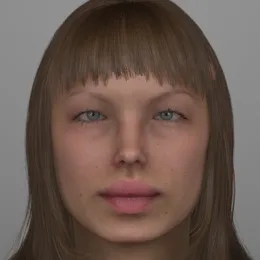
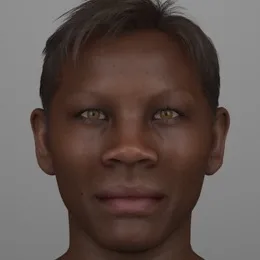
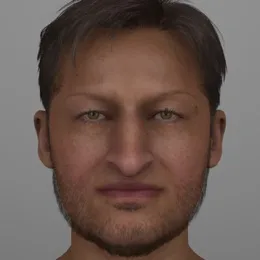
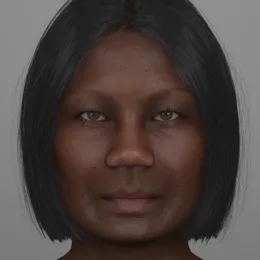
What the test is
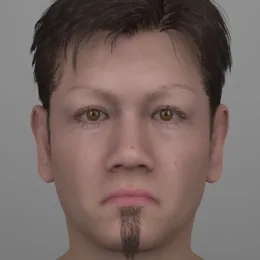
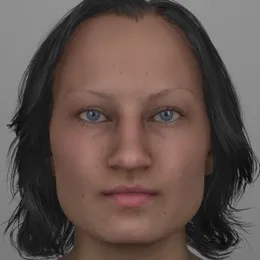
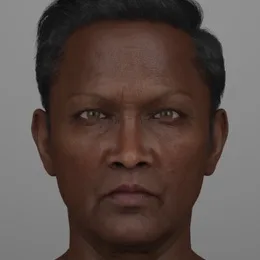
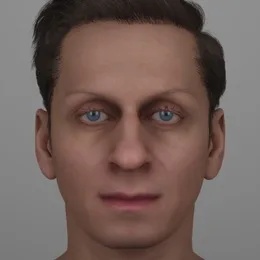
It works like a police lineup. First you study one face for just two seconds. Then you get six faces and pick the one you saw, or choose “None of them” if you think the person is not there. That last option is real: in many rounds the person is missing, just as in real life.
After each choice you say how sure you are, from “Guessing” to “Completely sure”, and you see the answer straight away. Honest confidence scores best: sure and right pays most, sure and wrong costs you.
Why this is more interesting than it sounds
Eyewitnesses get it wrong more often than most people expect. According to the Innocence Project, mistaken eyewitness identification contributed to about 69% of the 375 wrongful convictions in the US that were later overturned by DNA evidence (1989–2020).
In early data from the game, about half of players pick someone when the person is not in the lineup. The figure is approximate and will change as more people play.
Questions
How long does the test take?
About 3 minutes. You can play again as many times as you like.
Is it free? Do I need an account?
It is free and there is no sign-up. A nickname for the leaderboard is optional.
Are the faces real people?
No. All faces are computer-generated with MetaHuman, so no real person is shown.
Is this a validated or clinical test?
No. It is a game. It is not a validated test like the Cambridge Face Memory Test, and it cannot tell you whether you are a super-recogniser or have face blindness (prosopagnosia). If you are worried about your face recognition, talk to a professional.
The game links no appearance to crime. Every appearance is equally likely to be the suspect.
Ready to testify?
Start the test